Tina Schulz · 4 November 2026
Vinara Potters Experiment with New Clay Sources While Maintaining Historic Firing Methods
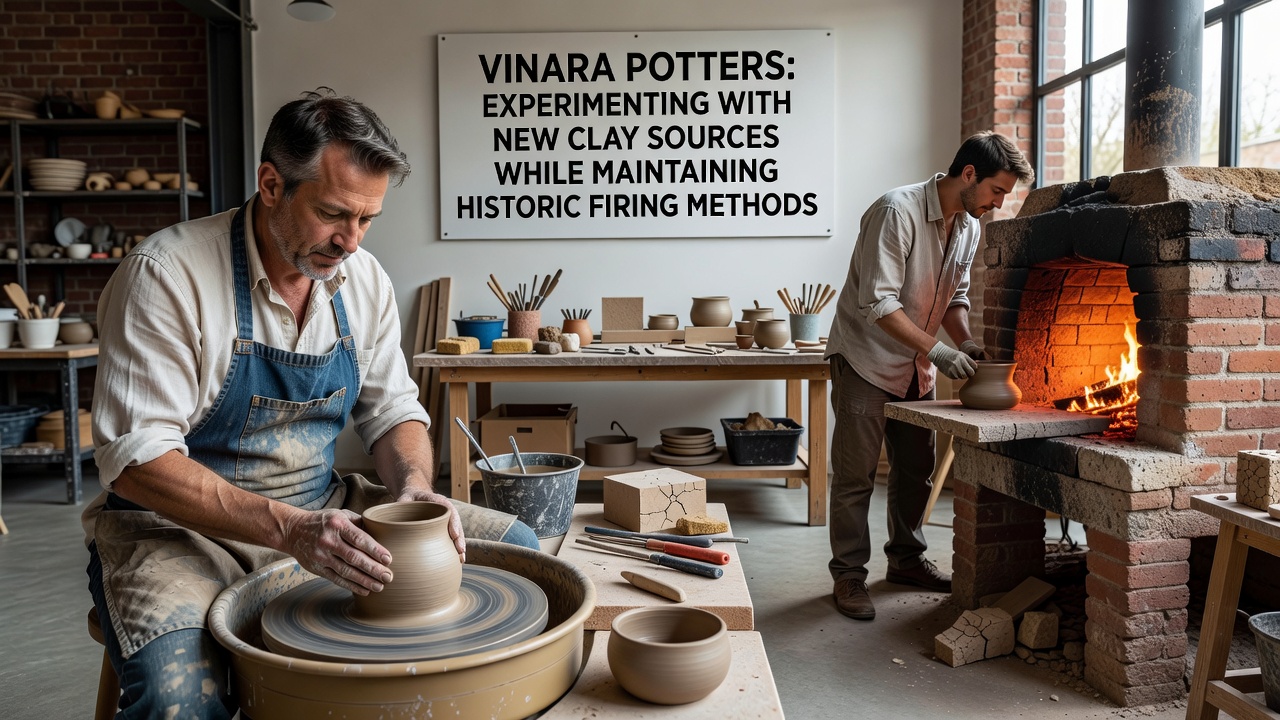
Potters across the Vinara region have initiated trials with alternative clay deposits drawn from previously unexplored valleys, and this development follows decades of reliance on a single primary source that has shown gradual exhaustion according to local geological surveys. The experiments focus on maintaining the exact firing sequences and kiln designs passed down through generations, which means temperatures remain capped at historic levels around 1250 degrees Celsius with wood-fired chambers that allow for specific reduction atmospheres.
Traditional Foundations in Vinara Ceramics
Vinara pottery traces its methods to practices documented as early as the 14th century, when artisans first combined local sedimentary clays with specific tempering materials like crushed limestone and river sand. Those who study the archives note that the signature red and ochre finishes result directly from controlled oxidation during the final cooling phase, a step that has stayed unchanged even as surrounding industries modernized. Records from the Vinara Ceramics Guild indicate that over 200 active workshops still operate today, each preserving the same pit-firing schedules that last between 18 and 24 hours.
Drivers Behind the Search for New Clays
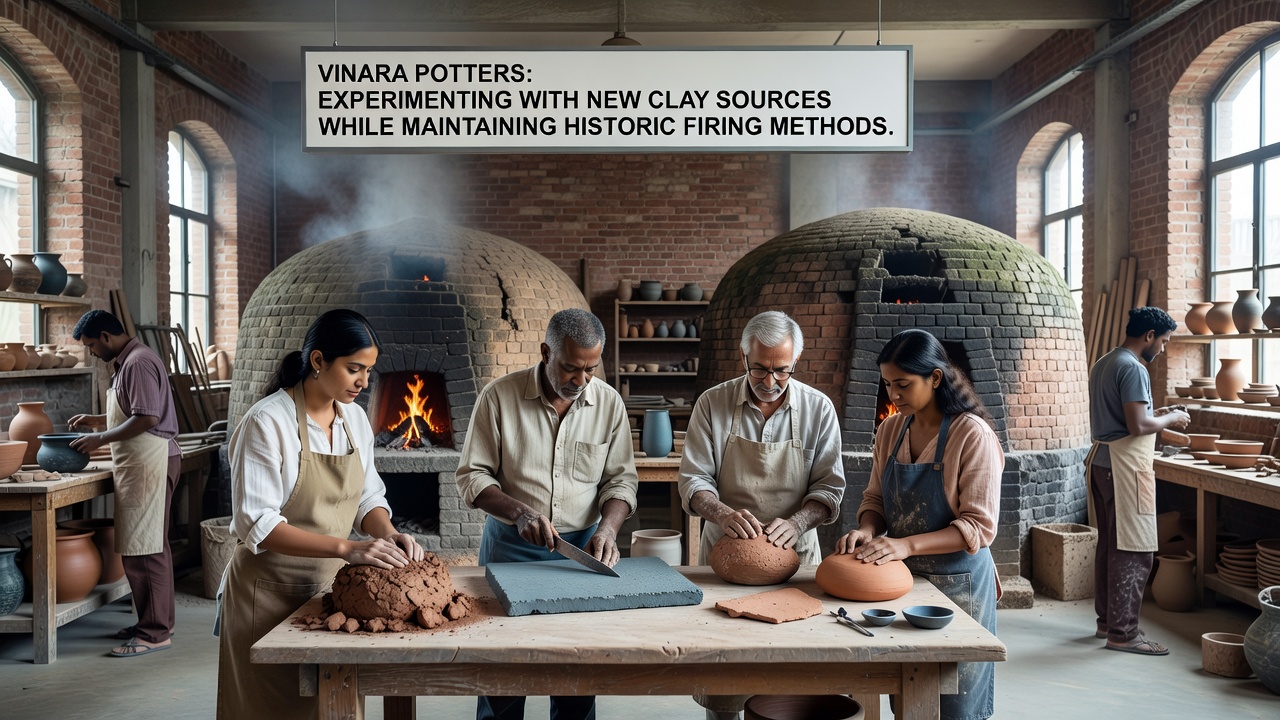
Depletion at the main quarry site became measurable by 2023 when extraction volumes dropped 18 percent compared with 2015 figures published in regional mining reports. Potters responded by mapping secondary deposits in the eastern foothills, where geological layers contain higher silica content but similar plasticity when mixed with the traditional temper. Testing began in small batches during spring 2025, with samples fired alongside control pieces from the old source to isolate any shifts in shrinkage or color retention.
One workshop in the lower valley reported that the new clay required only minor adjustments to the wedging process, yet the overall firing curve stayed identical to protocols established in the 1800s. This consistency matters because the region’s export contracts specify the same thermal shock resistance and surface texture that buyers have expected for generations.
November 2026 Workshop Series
Plans for a public demonstration series scheduled for November 2026 will allow visiting artisans to observe side-by-side firings using both clay types inside restored historic kilns. Organizers from the Vinara Heritage Trust have confirmed that each session will run a full 22-hour cycle without deviation from documented temperature ramps, providing direct comparison data on vitrification and glaze adhesion.
Technical Outcomes Observed So Far
Early results released in mid-2026 show that the alternative clay achieves comparable density after the same soak period at peak temperature, although slight variations in iron oxide levels produce a marginally deeper hue in reduction-fired pieces. Researchers affiliated with the European Ceramic Society have documented these differences through standardized ASTM testing protocols, confirming that mechanical strength remains within the tolerances required for tableware and architectural tile applications.
Workshops have also tracked fuel consumption during the extended firings, and figures reveal no measurable increase when the new clay is used, because the kiln design and stacking patterns have stayed constant. This finding supports continued use of the historic beech and oak wood mixtures that release the precise amount of volatiles needed for the desired surface effects.
Community and Economic Context
Local cooperatives have begun allocating portions of each new deposit for shared use, with allocation rules modeled on longstanding guild agreements that prevent over-extraction. Data from the Italian National Institute of Statistics indicates that pottery-related employment in Vinara held steady through 2025 despite broader rural population declines, partly because the experiments have attracted interest from younger apprentices who see long-term viability in the craft.
Trade groups such as the American Ceramic Society have referenced similar regional efforts in their sustainability reports, noting that preservation of firing heritage often pairs successfully with diversified raw material sourcing when thermal profiles remain fixed.
Future Monitoring and Documentation
Continued sampling through 2027 will compare seasonal performance of the new clay under varying humidity conditions, since Vinara’s microclimate affects drying times before firing. Guild members plan to archive all test logs in a central database accessible to scholars studying Mediterranean ceramic traditions, ensuring that any adjustments remain transparent and reversible if needed.
Conclusion
The Vinara potters’ measured approach demonstrates that adaptation of material sources can proceed without alteration to core firing heritage, and the upcoming November 2026 events will provide further public verification of these outcomes. Ongoing data collection from both traditional and new deposits will inform decisions that keep production methods intact while securing supply for future decades.