Hugo Vogel · 7 October 2026
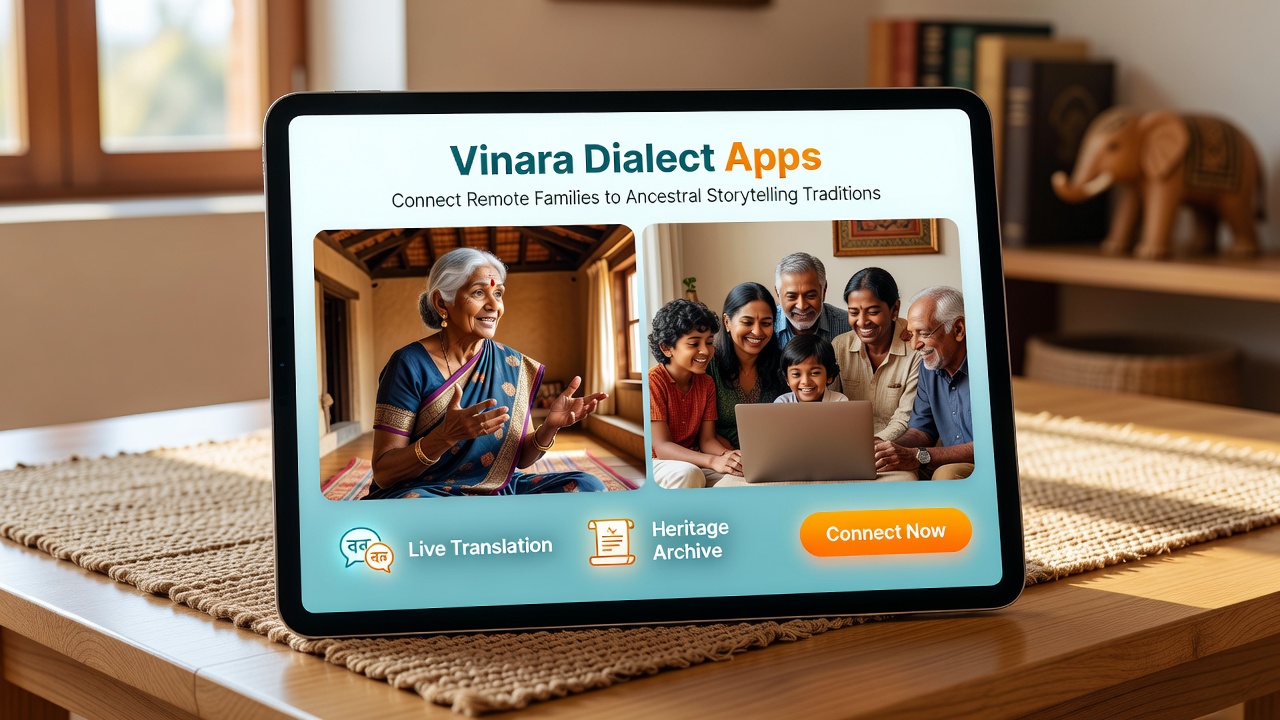
Vinara Dialect Apps Connect Remote Families to Ancestral Storytelling Traditions
Developers have created specialized applications that allow dispersed families to access and share stories passed down through generations in the Vinara dialect, a regional linguistic form with roots in northern Italian communities. These platforms digitize audio recordings, interactive narratives, and vocabulary tools while supporting live sessions where elders narrate traditional tales to younger relatives separated by distance.
Researchers from institutions across Europe and North America have tracked how such tools preserve linguistic elements that include unique phrases tied to local folklore and daily practices. Data collected through user analytics shows consistent engagement patterns among households in multiple countries, with sessions often lasting longer when stories incorporate family-specific details rather than generic content.
Origins and Development of the Apps
Programmers began building these applications after observing declining transmission rates of the Vinara dialect in urban migrant populations. Teams collaborated with native speakers to compile archives of spoken material, then integrated features like voice recognition that matches user pronunciation to dialect standards. One project reached completion in 2023 after three years of fieldwork that documented over 400 distinct narrative structures still in active use among remaining fluent speakers.
The software runs on standard mobile devices and includes offline modes that download story modules for areas with limited connectivity. Updates in October 2026 introduced enhanced synchronization options allowing multiple family members to contribute annotations simultaneously during shared listening sessions.
Core Features and User Experiences
Users access libraries organized by theme, such as seasonal celebrations or ancestral journeys, with each entry accompanied by text transcripts and phonetic guides. Interactive elements let participants record their own versions of stories and compare them against original audio for accuracy feedback. Studies indicate these comparison tools accelerate learning curves for individuals who grew up hearing the dialect only occasionally.
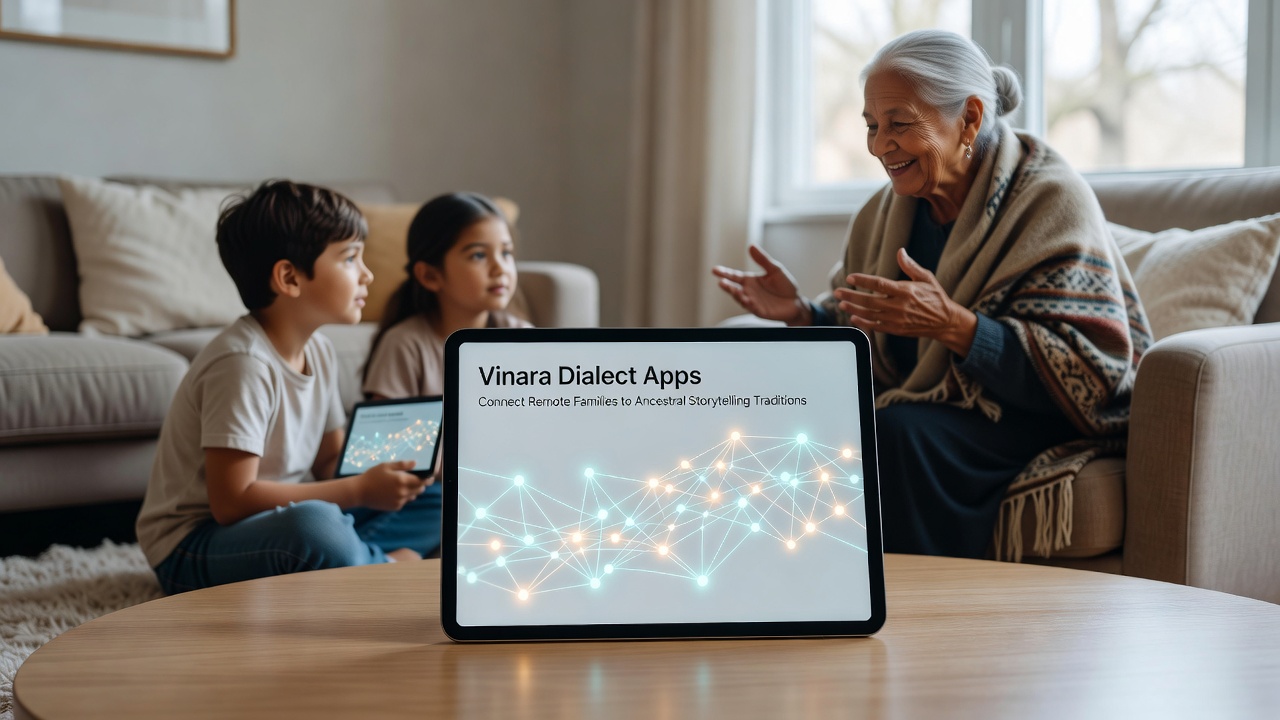
Observers note that families often schedule regular storytelling hours across time zones, turning the apps into virtual gathering points. A case documented by linguists involved a group in Canada linking weekly wth relatives in Italy, where the elder recounted trade route legends while children practiced responses in real time. The platform logs these exchanges and generates progress reports on vocabulary retention.
Broader Impacts on Language Preservation
Academic analyses from the University of Melbourne have examined similar dialect platforms and found measurable increases in conversational confidence among younger users after six months of regular access. Figures reveal that participants who combine app-based listening with occasional in-person visits retain more idiomatic expressions than those relying solely on written materials. Government reports from regional cultural offices in Italy track parallel trends where app adoption correlates with higher rates of dialect use in everyday family communications.
Additional resources come from organizations such as the European Language Resources Association, which provides datasets supporting continued app refinement. These tools extend beyond entertainment by archiving variations that differ between villages, creating a more complete record than previous oral-only methods allowed.
Challenges and Adaptations
Developers continue addressing issues like varying literacy levels and device familiarity among older speakers. Simplified interfaces now feature larger buttons and voice-command navigation that reduce barriers for seniors who prefer speaking over typing. Partnerships with community centers supply training sessions that demonstrate app functions without assuming prior technical knowledge.
Usage statistics from 2025 indicate steady growth in active accounts, particularly in regions with high emigration rates. The October 2026 rollout added multilingual support interfaces that translate navigation menus into dominant local languages while keeping core story content in authentic Vinara form.
Conclusion
These applications demonstrate how digital methods sustain connections between remote family members and their linguistic heritage through structured storytelling access. Ongoing refinements based on user feedback and academic input help maintain relevance as technology and demographics shift. The combination of recorded traditions with interactive sharing features supports continued practice of the dialect across generations and distances.